
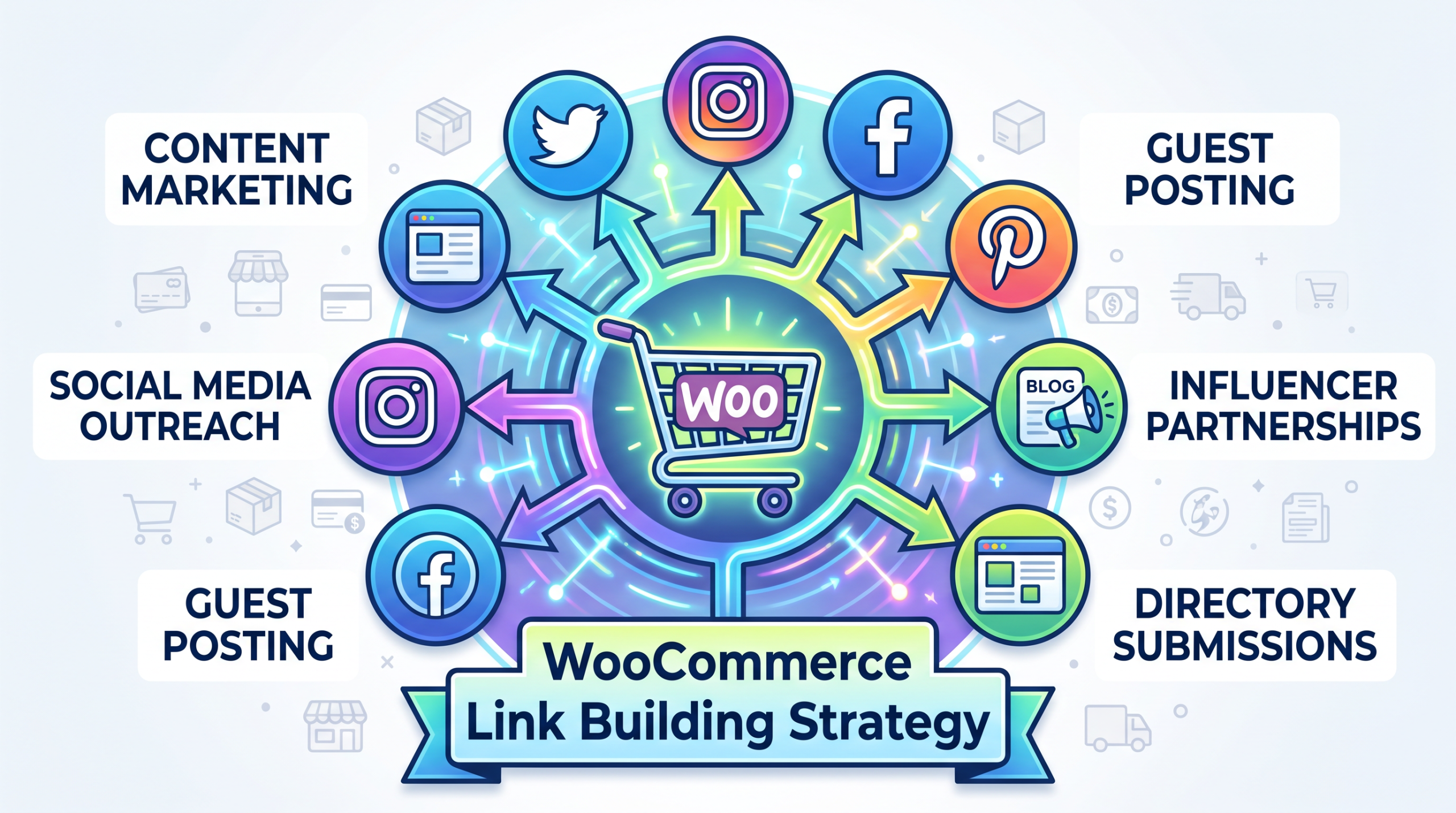
Running a small online shop from an RV can be a good fit for life on the road: orders come in while you travel, and a laptop can handle much of the daily work. But being mobile does not make it easy for customers to find your store. A thoughtful woocommerce link building strategy can help product and category pages earn visibility over time, without turning every stop into a sales pitch.
For a camper-based business selling travel gear, outdoor accessories, or handmade goods, the aim is not simply to collect as many links as possible. It is to earn relevant mentions from useful websites and communities, then make sure those links point to pages that help shoppers decide what to buy.
Start with pages worth recommending
Before reaching out to anyone, check the pages you hope to promote. A category page should make it easy to understand what is included, how products differ, and which items might suit a particular need. Product pages should offer clear descriptions, accurate details, useful photographs, and straightforward shipping and return information.
Think about the questions a traveler might ask before buying. Will a storage item fit in a compact camper? Is a power accessory compatible with common setups? Can a piece of equipment handle frequent packing and unpacking? Answering practical questions gives other publishers a reason to cite your page, and gives potential customers more confidence once they arrive.
Build links around genuine usefulness
Good link opportunities often begin with a useful contribution rather than a request for a backlink. A camper retailer might offer packing advice to a travel blog, explain how to choose equipment for limited storage, or provide a product comparison for a guide to life on the road. A link makes sense when it helps readers explore the topic further.
Local connections can work well, too. If you stop in one place for a while, consider whether a campground, tourism publication, repair shop, or regional outdoor group has a resource page that would genuinely benefit from your expertise. Share practical information first; do not assume that a mention is owed in return.
For a broader look at approaches to earning links for online-store pages, this ecommerce link-building guide discusses why product and category pages deserve attention alongside a shop’s homepage.
Create something people can cite
Useful resources give publishers a reason to refer readers to your site. A sizing chart, a maintenance checklist, a guide to organizing a small camper kitchen, or a comparison of materials can all answer a specific question. Keep the information accurate and easy to scan. If you have first-hand experience from traveling, explain what you tested and under what conditions rather than making broad claims.
These resources do not need to be elaborate. A concise, well-organized guide can be more useful than a long article that repeats general advice. It should also connect naturally to relevant products without making every paragraph a pitch. Readers are more likely to trust a resource when its recommendations are clear about practical trade-offs.
Make outreach manageable on the road
Travel can make regular marketing routines harder, so use a small, repeatable process. Keep a list of publications and organizations whose readers match your customers. Note the topics they cover, the right contact person if available, and any idea you could contribute. Then send a brief, specific message explaining why the proposed resource would help their audience.
Avoid mass emails and vague requests to “collaborate.” Do not offer payment for links or use automated schemes that promise dozens of placements. Such shortcuts can produce irrelevant mentions and create risks for your store’s search visibility. A handful of relevant links earned through real expertise is usually more meaningful than a large collection with no clear connection to your business.
Choose technical help carefully
Some store owners can manage outreach themselves but need help improving page speed, fixing a WooCommerce issue, or building a resource page. Before hiring a freelancer, define the task, the expected result, the budget, and how you will review the work. That is part of sensible due diligence, especially when you are working from changing locations and may have limited time to supervise a project.
Osdire is one place buyers can hire freelancers across areas such as programming, design, and marketing. Its guide to questions to ask before hiring a web developer can help you clarify scope and avoid surprises before a technical project begins.
Measure what is actually improving
Keep track of which pages receive new links, where those links come from, and whether visitors from those sources engage with your store. Search visibility can take time to change, so do not judge a strategy by one week of results. Look for signs that the pages are becoming more discoverable and that referrals are relevant to what you sell.
For a business on wheels, consistency matters more than an ambitious campaign that collapses during a busy travel week. Improve the pages, share genuinely useful expertise, and build relationships with publishers whose readers have a reason to care. Over time, that steady approach can make your WooCommerce shop easier to find—and more helpful when a customer gets there.


